
Retail glass film, Seattle
Storefront Window Film in Seattle, WA
Seattle storefronts face a mix of challenges: summer sun on displays, winter glare across dining rooms, and in some districts, break-ins and vandalism. Storefront window film handles several of these on the glass you already have.
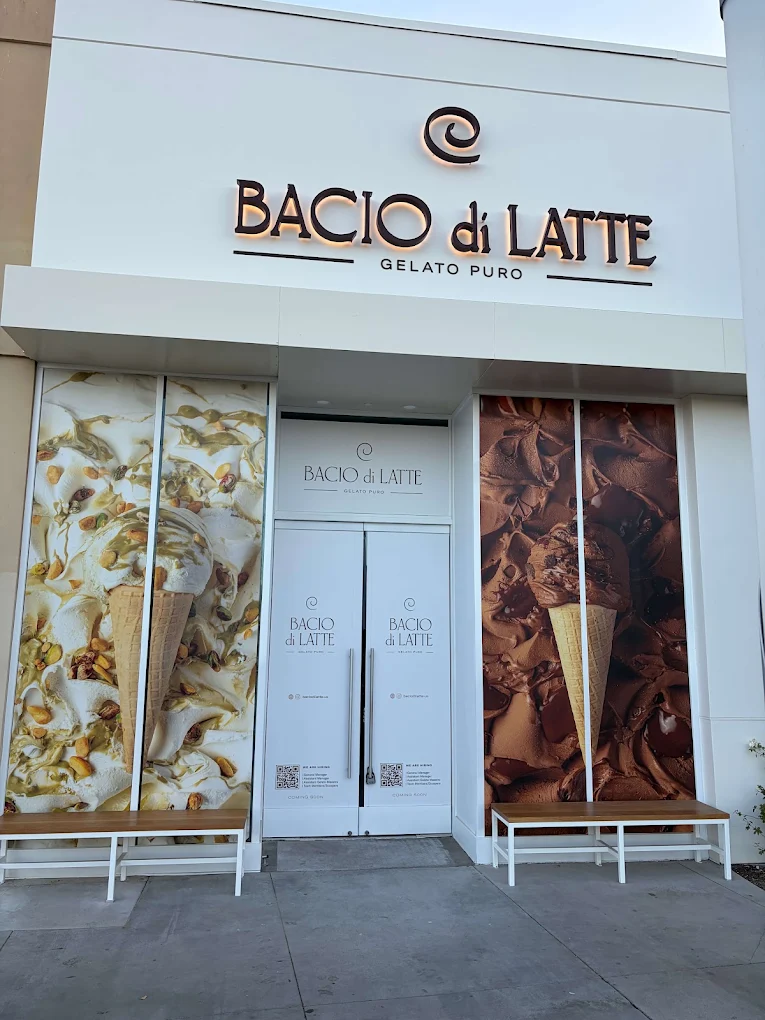 Seattle
Storefront Window Film for Seattle Neighborhood Business Districts
Much of Seattle's retail lives on neighborhood streets rather than in malls. Ballard Avenue, Broadway on Capitol Hill, The Ave in the University District, Rainier Avenue in Columbia City and Fremont's center all have rows of small shops and restaurants with large display windows.
Those windows face every direction, and the orientation shapes the problem. West-facing storefronts heat up and glare during the late afternoon, right when restaurants fill. South-facing displays take the most UV and fade merchandise fastest. North-facing shops rarely need heat film but may still want UV or security protection.
Storefront Film to Stop Display Fading in Seattle Shops
Clothing, books, packaging and furniture fade when they sit in a sunny display window for weeks at a time. Retailers often rotate stock to manage it, but sun-bleached product still ends up marked down. Seattle's long summer days concentrate a lot of exposure into the busy season.
Storefront film blocks nearly all UV, which is the biggest driver of fading. Films that also cut some visible light and heat give more protection, at the cost of a slightly tinted look. For most shops, a clear or lightly tinted film keeps the display inviting while reducing damage. Bookstores, galleries and boutiques with rarely rotated stock tend to get the most out of it, since the same items sit in the light for months.
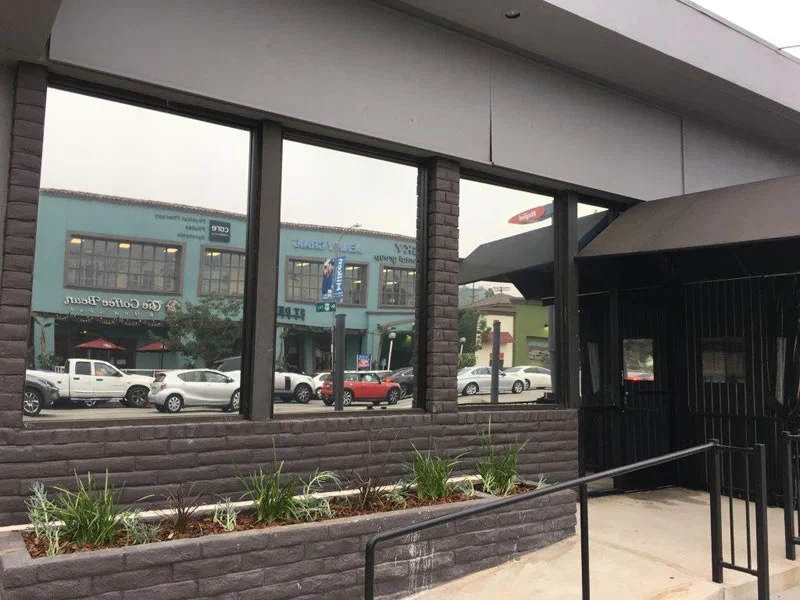
Storefront Glare and Heat for Seattle Restaurants and Cafes
A west-facing dining room in Ballard or Fremont can be the best seat in the house at noon and the worst at 6 p.m. in July, with low sun in diners' eyes and heat building across the room. In winter, the low midday sun creates a similar glare problem earlier in the day.
Glare and solar control film tones down the brightness and heat without hiding the room from the street. Passersby can still see in, which matters for walk-in business. Staff stop fighting with shades during service, and customers on the window side stay comfortable. On Seattle's few genuinely hot days, the front of the room also holds less heat after the sun drops, which helps kitchens and small spaces that already run warm.
Storefront Window Film in Seattle Landmark Districts
Some of Seattle's most loved shopping streets sit inside city historic districts: the Ballard Avenue and Columbia City landmark districts and the Pioneer Square Preservation District. Changes to a building's exterior appearance in those districts can require review. Clear films that do not change how the glass looks from the street are usually the least complicated choice.
If you are considering a reflective, tinted or decorative film, check with the district's review board first. We can provide samples and product data to support that conversation. Interior signage and graphics may also fall under sign rules, so confirm before installing branded film.
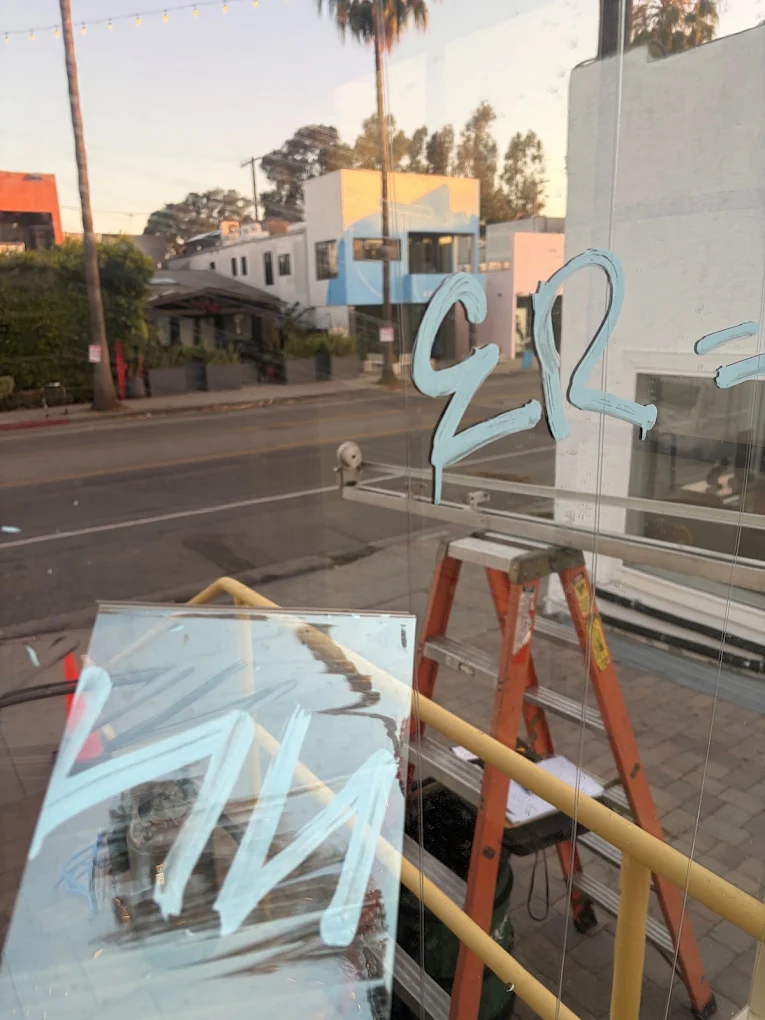
What Storefront Window Film Does for Seattle Businesses
UV Protection for Storefront Displays
Blocking nearly all UV slows fading of merchandise, signage and fixtures in display windows. Products stay sellable longer, and displays do not need to be rotated as often to avoid sun damage.
Comfortable Window Seats in Seattle Restaurants
Reducing glare and heat on west and south glass keeps window tables usable through the evening rush. Diners stay comfortable, and staff spend less time adjusting blinds during service.
Added Break-In Resistance on Storefront Glass
Safety and security films hold shattered glass together, slowing smash-and-grab attempts. For stronger protection on vulnerable storefronts, see our commercial security film, which pairs thicker film with frame attachment.
Storefront Film That Keeps the Shop Visible
Clear and lightly tinted films keep displays and dining rooms visible from the sidewalk, so the storefront still draws people in. Heavily reflective films can hide a shop during the day, so we use them sparingly.
Storefront Window Film Questions for Seattle Shop Owners
Could tinted glass make my Seattle shop look dark from the sidewalk?
Not with the right film. Clear and lightly tinted films keep the interior visible from the sidewalk. Darker or mirrored films can make a storefront look dark during the day, which is why we rarely recommend them for retail.
Can storefront film be installed without closing my business?
Yes. We usually work before opening, after closing or on a slow day. Most storefronts can be completed in a single session, and the area near the windows can be back in use the same day.
Do I need approval for storefront film in a Seattle landmark district?
If the film changes the exterior appearance of the storefront, you may. Contact the district's review board before installing tinted, reflective or decorative film. Clear films usually raise fewer questions.
Can I add my logo to storefront window film?
Yes. We plot logos, hours and street numbers in etched-look or colored vinyl and set them on the glass, either alone or over a clear UV film. Check whether Seattle sign rules or your landlord's requirements apply to window graphics.
How long does storefront window film last?
Interior-applied storefront film typically lasts many years. Film on the outside of the glass wears faster due to weather and cleaning. Window cleaning crews should be told about the film so they avoid abrasive tools.
Window film quote
Storefront Window Film Quotes for Seattle Shops and Restaurants
Send photos of your storefront, which way it faces and what you want to fix, whether fading, glare, heat or security, through the quote form. We can schedule around your hours.
Prefer email? info@windowfilmseattle.pro