
Summer heat film for Seattle
Heat Control Window Film in Seattle, WA
Seattle summers are short but the days are long, and a west window can take direct sun until nearly 9 p.m. in late June. Heat control window film cuts that solar load at the glass, so upstairs rooms stop storing heat all evening.
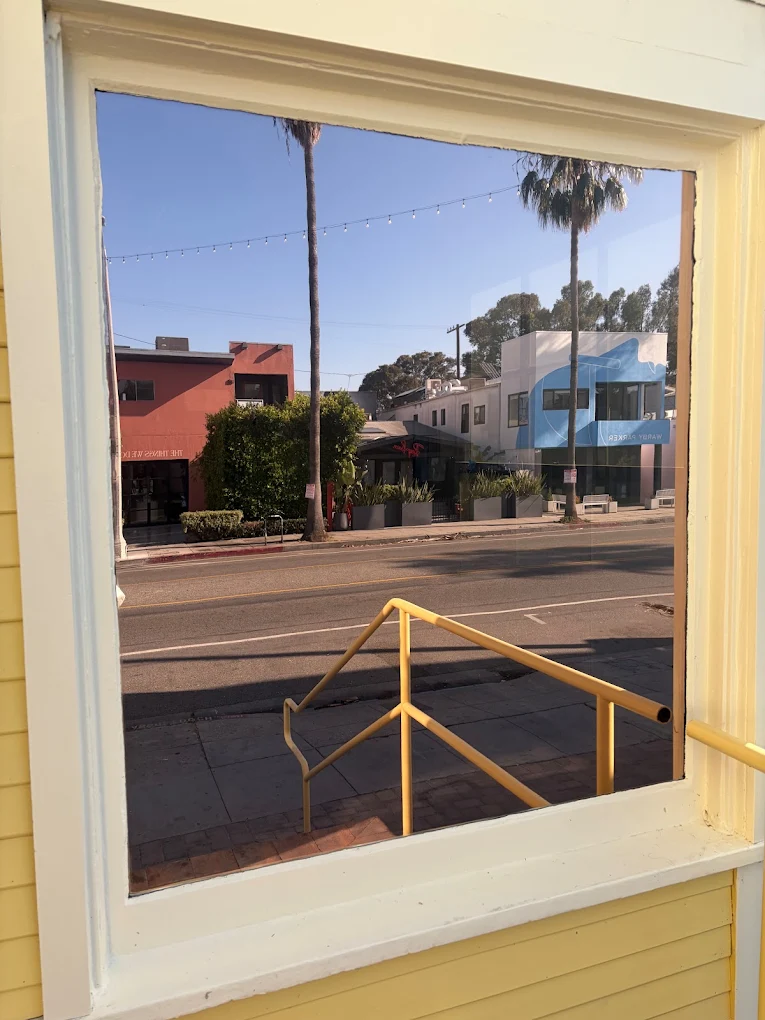 Seattle
 Heat Waves and Homes Built Without Air Conditioning
For most of the city's history, Seattle summers were mild enough that builders and buyers skipped air conditioning. Plenty of houses still rely on open windows and a box fan. That approach works on a typical 75 degree day, then fails badly during a heat wave. The June 2021 heat dome pushed Seattle above 100 degrees three days in a row, and many people learned how hot an attic bedroom under a west-facing dormer can get.
Heat waves since then have been less extreme, but warm spells in July and August are common, and they often come with wildfire smoke that makes opening windows at night a bad idea. When the house has to stay sealed, every bit of heat that comes through the glass stays inside. That is the situation where heat control film earns its place.
How Heat Control Window Film Cuts Solar Gain in Seattle
Sunlight arriving at a window is part ultraviolet, part visible light and roughly half infrared, the portion you feel as warmth. Heat control films reject a share of that energy by reflecting some and absorbing some, with the absorbed portion mostly radiating back outside. On a spec sheet, look at total solar energy rejected. Higher is better for heat, but it usually comes with lower visible light transmission.
For Seattle homes, the sweet spot is usually a spectrally selective film that rejects much of the infrared while keeping visible light high. It does not reach the heat numbers of a dark reflective film, but it keeps rooms bright in winter, which is the trade most people here want. On large west glass with no shade, a light reflective film can make sense if the extra rejection matters more than the faint exterior sheen.
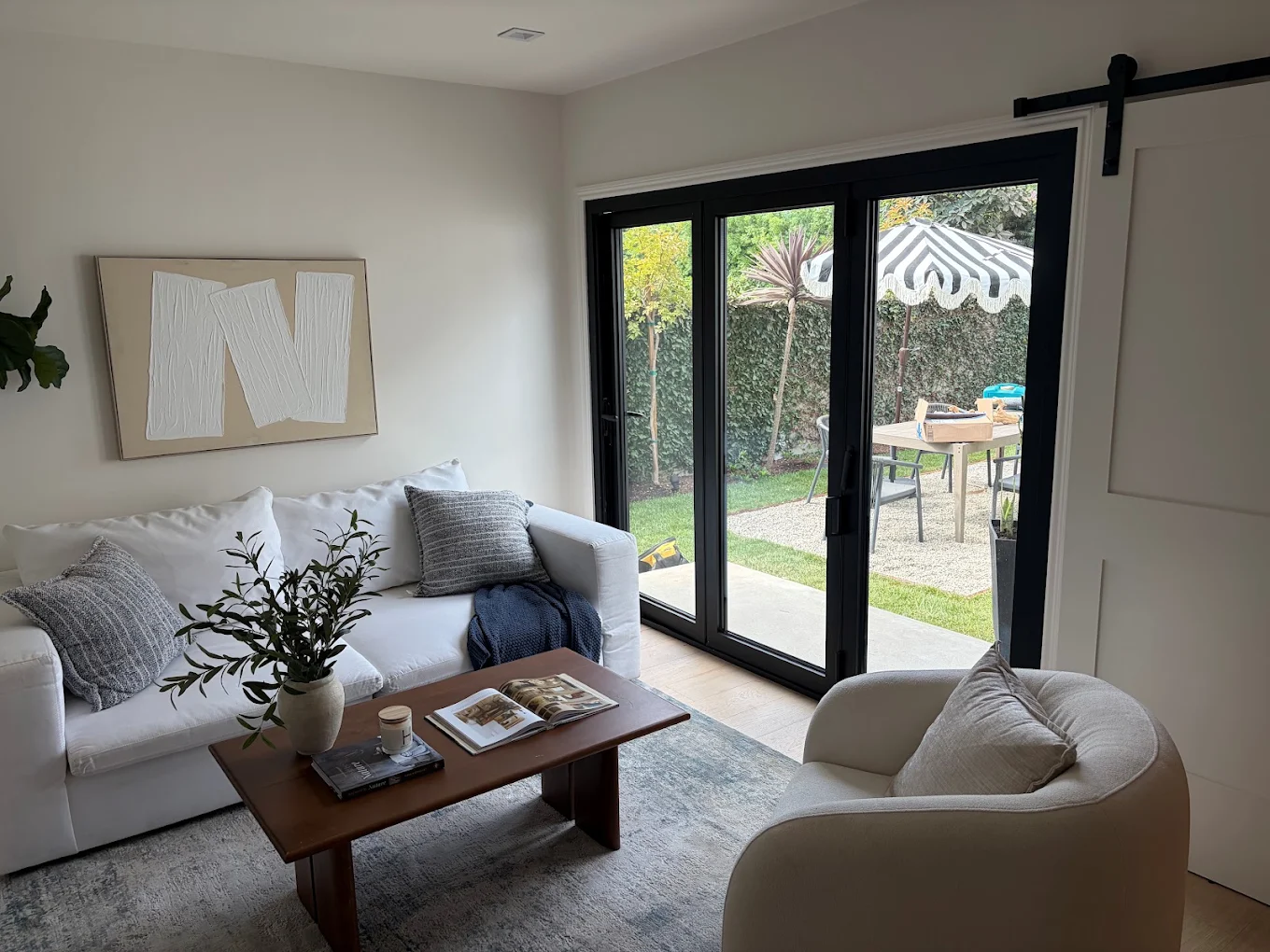
Heat Control Film for West-Facing Windows in Magnolia and West Seattle
Homes on the west slopes of Magnolia and along the bluffs of West Seattle often have big windows aimed across Puget Sound at the Olympics. The view is the reason for the glass, and it is also why the living room is the hottest room in the house from late afternoon until sunset. Closing blinds solves the heat and gives up the reason you bought the house.
Heat control film is the middle path. We usually start with the largest west panes and any west-facing bedrooms, then look at south glass. The film choice on view windows leans toward options that keep colors true, since a heavily tinted film turns the water and mountains a flat gray.
Heat Control Window Film for Wallingford and Green Lake Upstairs Bedrooms
In Craftsman bungalows and Seattle boxes around Wallingford and Green Lake, the upstairs is often a converted attic or a half story under the roof. Heat rises into those rooms, the roof bakes all afternoon, and dormer windows let in more. By bedtime the upstairs can run well above the main floor.
Film on the dormer and gable windows is one of the cheapest ways to take some of that load off. It will not fix a poorly insulated roof, but it removes the part of the heat that comes straight through the glass. Combine it with nighttime ventilation on clear-air nights and the room is noticeably more livable.
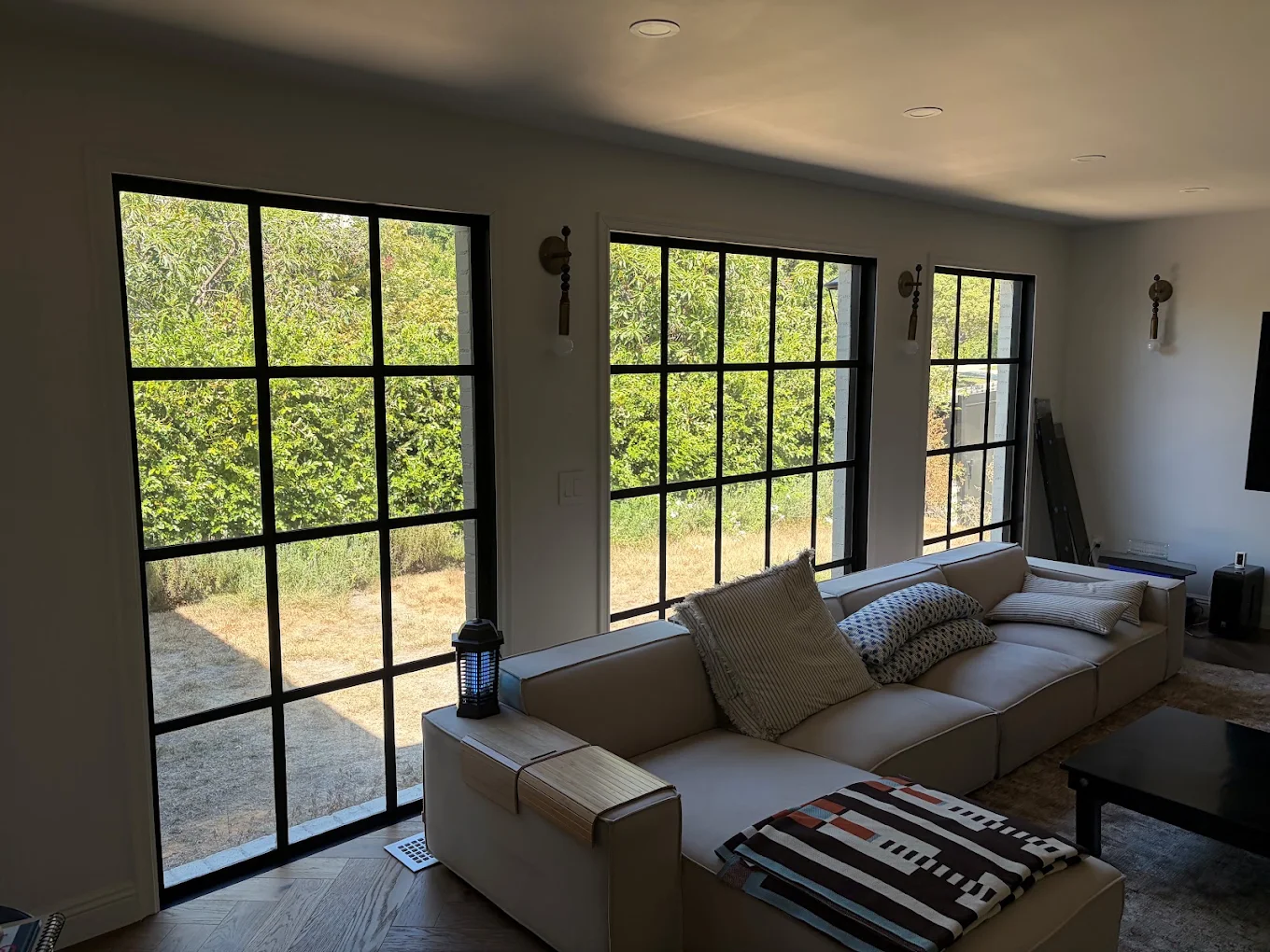
Matching Heat Control Film to Seattle Window Glass
Absorptive films warm the glass they sit on. On single-pane windows that is rarely an issue. On dual-pane units, especially large ones or panes that are partly shaded by eaves or trees, extra heat in the inner pane can stress the glass or the seal. We check the glass type before recommending film and follow the film maker's compatibility charts for that construction.
That check sometimes rules out the darkest option for a particular window. We will tell you when that happens and why, and suggest a film that gets you most of the heat benefit without risking the unit.
What Heat Control Film Does in a Seattle Summer
Slower Heat Buildup in Seattle Living Rooms
By turning back part of the solar energy at the glass, film reduces how quickly sunlit rooms warm up. During a multi-day heat wave that slower climb matters, because the house starts each morning less loaded with yesterday's heat.
Heat Control Film That Helps Heat Pumps and Portable AC
Many Seattle homes added heat pumps or portable units after 2021. Lowering solar gain through the windows reduces the cooling load those systems carry, so they reach the set point sooner and run less on the hottest afternoons.
Cooler Rooms When Smoke Keeps Windows Shut
Smoky summer days mean closed windows and no evening breeze. Heat control film does nothing for air quality, but it keeps a closed-up house from gaining as much heat from the sun while you wait for clean air.
Heat Rejection Without Darkening Seattle Winters
Spectrally selective heat film targets infrared rather than visible light. Rooms stay bright from November through March, which is when Seattle homeowners most regret choosing a dark tint.
Heat Control Window Film Questions for Seattle Homes
Is heat control film enough to replace air conditioning in Seattle?
No. Film reduces the solar part of indoor heat, which is often the largest part in a sunny room, but it cannot remove heat that is already inside. Think of it as a way to make fans, heat pumps and portable units work better during hot spells.
Which Seattle windows should get heat film first?
West-facing glass, then large south windows and skylights, then east windows if mornings are a problem. North windows almost never need heat film here. Upstairs rooms usually benefit more than ground-floor rooms.
Will heat control film make my house colder in the winter?
Slightly less winter sun reaches the room, but Seattle gets few clear winter days, so the effect is small. If you want to hold indoor heat in winter, a low-E film combines summer heat rejection with better insulation.
How dark is heat control window film?
It ranges from nearly clear to quite dark. Most Seattle homeowners choose films that let through the majority of visible light. We bring samples so you can compare them on your own glass on a cloudy day as well as a sunny one.
Can film go on a skylight that overheats the hallway?
Usually yes, if the skylight is glass and reachable. Skylights take high summer sun for many hours, and film can cut both heat and UV fading on the floor below. Plastic domes need a different approach, so tell us which type you have.
Window film quote
Heat Control Window Film Pricing for Your Seattle Home
Tell us which rooms get hot and roughly what time of day it starts, then add window sizes or photos in the quote form. We will suggest film for the worst windows first.
Prefer email? info@windowfilmseattle.pro