
Year-round efficiency film
Energy-Saving Window Film in Seattle, WA
Seattle spends far more of the year heating than cooling, so energy-saving window film here has to do more than block summer sun. The best results come from films that also slow heat loss through glass during the long, damp heating season.
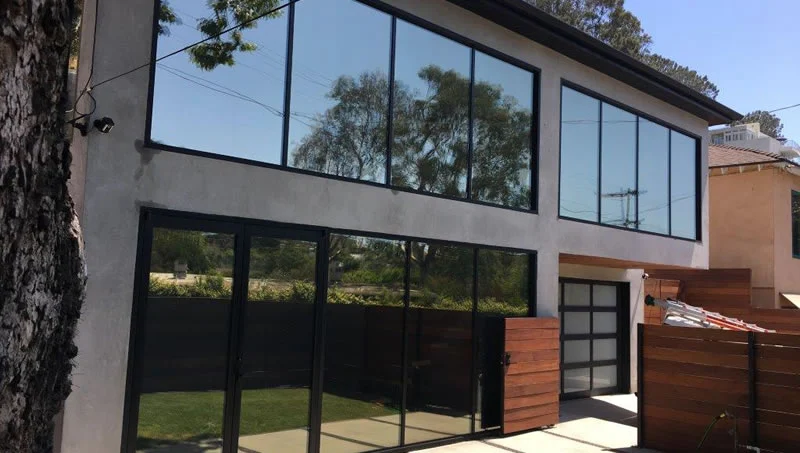 Seattle
Energy-Saving Window Film in a Heating-Dominated Seattle Climate
Seattle's climate is mild but long on cool weather. From October through May, most homes run a furnace, a heat pump or baseboard heaters for many hours a day. Windows are typically the weakest part of the building envelope, and older single-pane glass loses heat much faster than an insulated wall.
That shapes which energy-saving film makes sense. A pure solar control film helps in July and August but does little in January. A low-emissivity film, sometimes called low-E film, carries a coating that sends the warmth given off by people, walls and radiators back into the house instead of letting the glass carry it outside. It still rejects solar heat in summer, so it works on both ends of the year.
How Low-E Energy-Saving Film Improves Seattle Windows
Every warm surface in a room radiates heat. Plain glass absorbs much of that radiation and passes it outdoors. A low-E film has a microscopically thin metal or metal-oxide layer that reflects a large share of it back into the room. The result is a warmer glass surface, less of the chilly draft feeling near windows and lower heat loss.
The improvement is largest on single-pane glass, which is common in Seattle houses built before the 1980s. On dual-pane units that already have a factory low-E coating, the added benefit is smaller, and the film choice should focus more on solar control and compatibility with the existing glass.
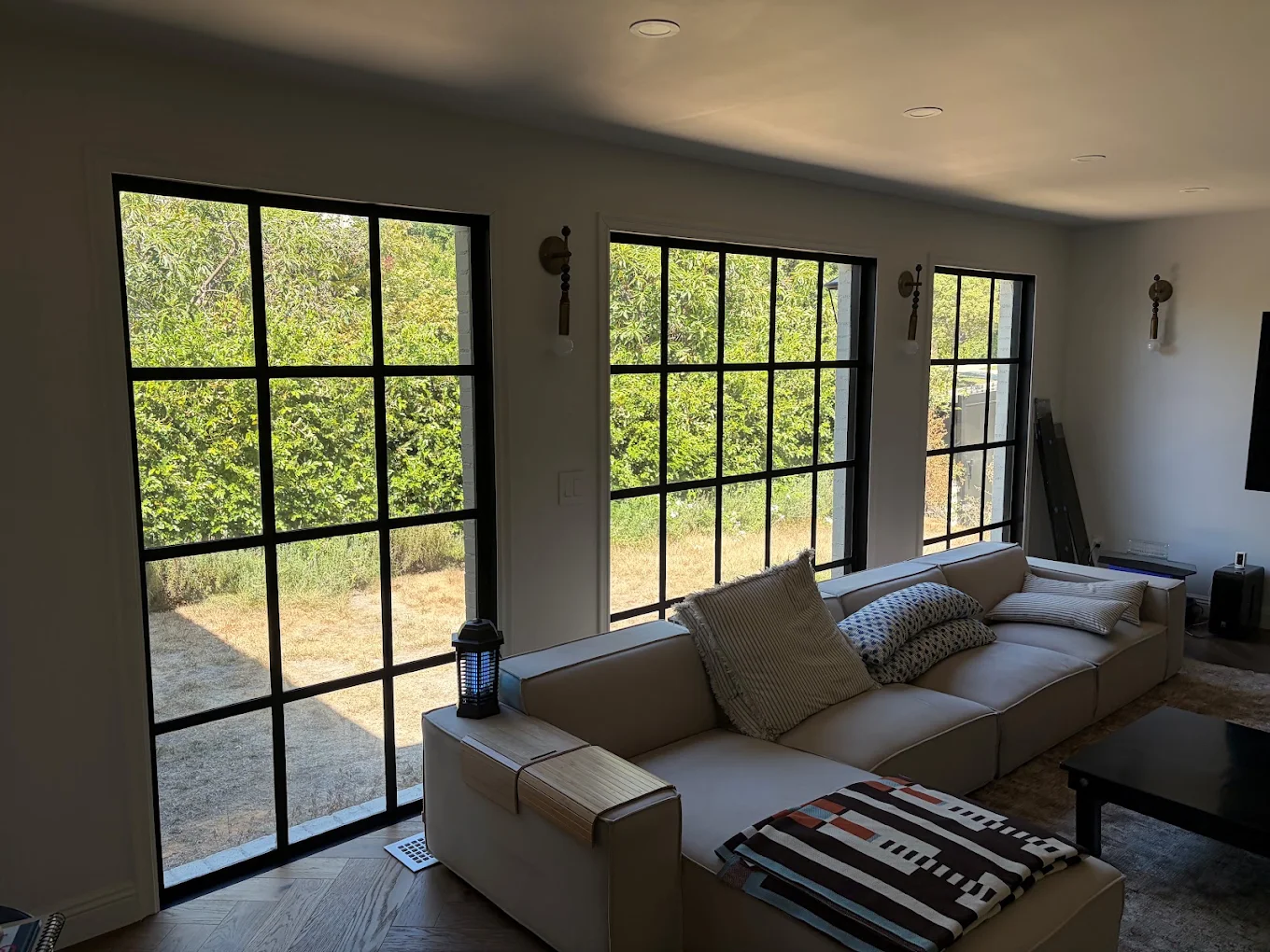
Energy-Saving Window Film for Seattle Homes With Heat Pumps
Many Seattle and Eastside homes have switched from oil or gas heat to heat pumps in recent years, and many more added them after the 2021 heat dome for summer cooling. Heat pumps work most efficiently when they do not have to fight large swings in load.
Film helps on both sides. In summer, cutting solar heat through west and south glass reduces how hard the system works on hot evenings. In winter, low-E film reduces heat loss through windows so the system holds temperature more easily. Neither effect is dramatic on its own, but on a house with a lot of glass, it adds up across a year.
Seattle City Light, PSE and Realistic Window Film Savings
Homes in Seattle get electricity from Seattle City Light, a city-owned utility. Bellevue and Kirkland are served by Puget Sound Energy, which provides electricity and natural gas there. Both utilities run efficiency programs that change over time. Window film is not always included, so check their current offerings before counting on a rebate.
We do not promise a specific percentage off your bill. Savings depend on glass area, orientation, how the house is heated and how you use it. A Ravenna bungalow with original single-pane windows and electric baseboard heat stands to gain more than a newer Phinney Ridge townhome with factory low-E glass. We will tell you honestly which situation you are in.
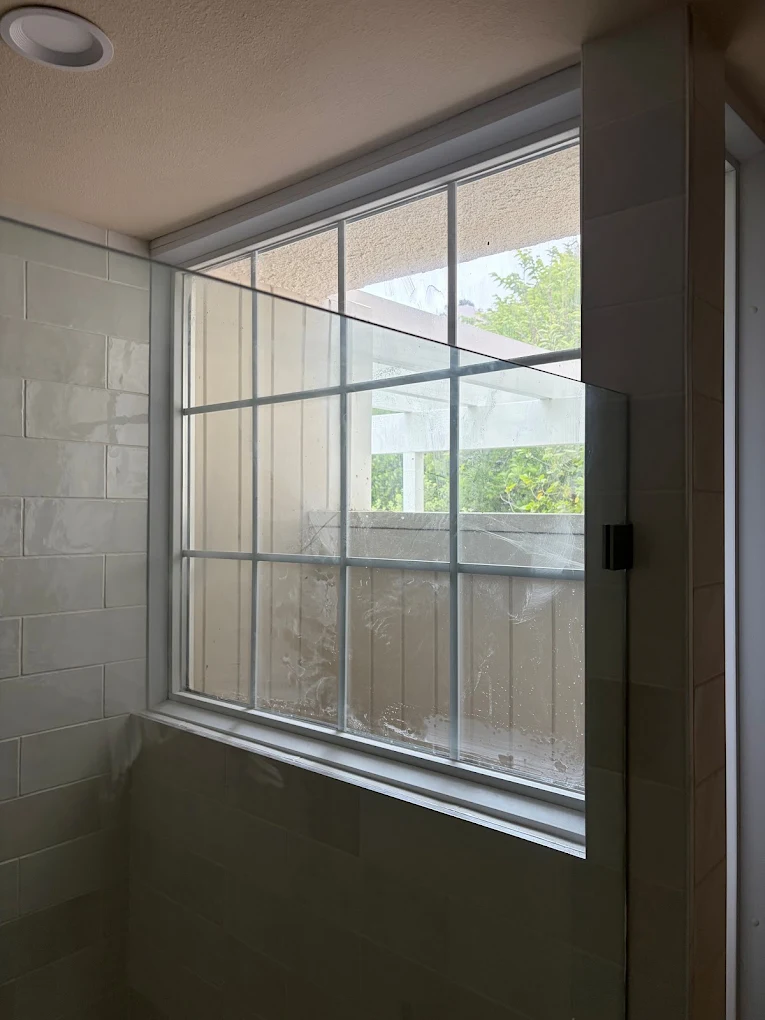
Energy-Saving Window Film Versus Window Replacement
New windows almost always outperform film on insulation, but they also cost many times more and involve construction. For homeowners who want to keep original wood sashes in an older house, or who are not ready for full replacement, low-E film is a practical step that improves performance without changing how the house looks.
Film also pairs well with other low-cost fixes: weatherstripping old sashes, adding interior storm panels, and sealing gaps around frames. Together, those measures can make a drafty Seattle house noticeably more comfortable through the winter.
What Energy-Saving Window Film Does for Seattle Homes
Lower Winter Heat Loss Through Seattle Windows
With a low-E layer on the pane, more of the furnace's output stays indoors instead of leaking out through cold glass. Rooms with large windows feel less chilly, and the heating system has less work to do through the long Seattle winter.
Summer Heat Rejection From the Same Film
Energy-saving films also reject a share of incoming solar heat. West and south rooms stay cooler during July and August, which matters for homes with heat pumps or no cooling at all.
Warmer Glass Surfaces Near Seating Areas
Sitting next to a cold window pulls heat from your body even when the thermostat says the room is warm. Low-E film keeps the inner glass surface warmer, so window seats and reading chairs are more comfortable.
Energy-Saving Window Film That Keeps Daylight
Many low-E films are light enough to keep rooms bright, which matters through Seattle's dark months. You do not need to trade natural light for efficiency.
Energy-Saving Window Film Questions for Seattle Homeowners
Does energy-saving film qualify for Seattle City Light or PSE rebates?
Utility programs change regularly, and window film is not always covered. Check the current residential efficiency offerings from Seattle City Light or Puget Sound Energy before you plan around a rebate. We can provide product specs if a program asks for them.
Is low-E film worth it on dual-pane windows?
Usually less so than on single-pane glass. Many newer dual-pane units already have a low-E coating. In those cases, film is chosen mainly for solar control or glare, with compatibility checked to avoid stressing the sealed unit.
Will energy-saving film reduce window condensation?
It can help a little by keeping the interior glass surface warmer, but condensation mainly comes from indoor humidity. In Seattle winters, running bath and kitchen fans and managing humidity are the bigger fixes.
How long before energy-saving film pays for itself?
It depends on how the house is heated, glass area and current window performance. Homes with lots of single-pane glass and electric heat see the shortest payback. We avoid quoting a specific number because every house is different.
Can energy-saving film go on older wavy glass?
Yes, in most cases. Film conforms to the slight irregularities of old glass. We check for cracks and loose glazing first, since film adds a little weight and must bond to a sound surface.
Window film quote
Energy-Saving Window Film Estimates in Seattle and the Eastside
Let us know how your home is heated, roughly how old the windows are and which rooms feel cold or hot. Add photos and sizes in the quote form and we will recommend the film that fits.
Prefer email? info@windowfilmseattle.pro