
Whole-house tint plans
Home Window Tinting in Seattle, WA
A Seattle house is best tinted from a plan rather than with one product on every pane. West bedrooms, south sliders, skylights and north windows each want something different, and getting that right keeps summer heat down without dimming the house in December.
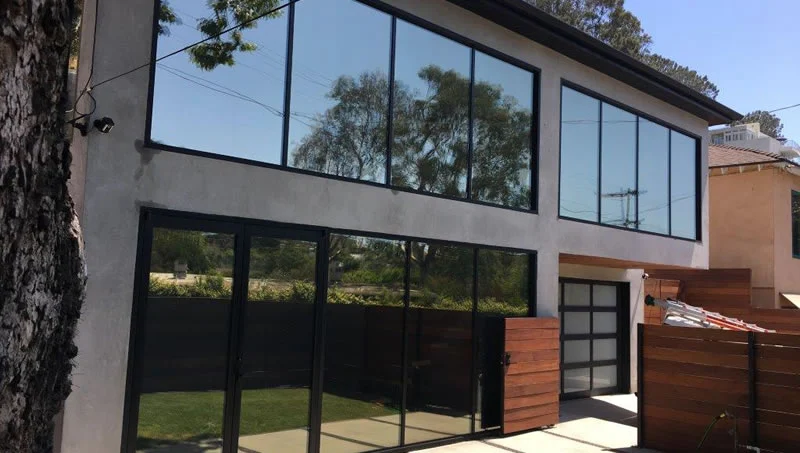 Seattle
Planning Home Window Tinting Around Seattle Sun Angles
Seattle's summer sun rises in the northeast and sets in the northwest, so in June even some north-facing windows catch direct light early and late in the day. West glass takes the hardest hit, because the sun is still well up at 7 p.m. and pours straight in. South glass gets high midday sun that a roof overhang often blocks in summer but not in winter.
We walk each side of the house with that in mind. A typical Phinney Ridge or Ballard house might end up with a heat-rejecting film on two west bedroom windows, a clear UV film on a south slider over oak floors, and nothing on the north kitchen window. Most whole-house jobs look like this: three or four film choices, placed where they actually do something.
Types of Home Window Tint Used in Seattle Houses
Dyed and basic tinted films darken the glass and absorb heat. They are inexpensive but cut a lot of visible light, which is a poor trade in Seattle. We rarely recommend them for living spaces.
Spectrally selective films are what most Seattle homeowners end up choosing. They are engineered to reject infrared and UV while passing most visible light, so a room keeps its daylight and the glass looks nearly untreated. Light reflective films reject more heat and show a soft sheen from outside, which some view homes accept in exchange for comfort on west glass.
Specialty films round out the list: frosted and gradient privacy films, safety and security films, decorative patterns and low-E films that help hold heat in during winter. A single house can use several types, and we price each window by the film it needs.
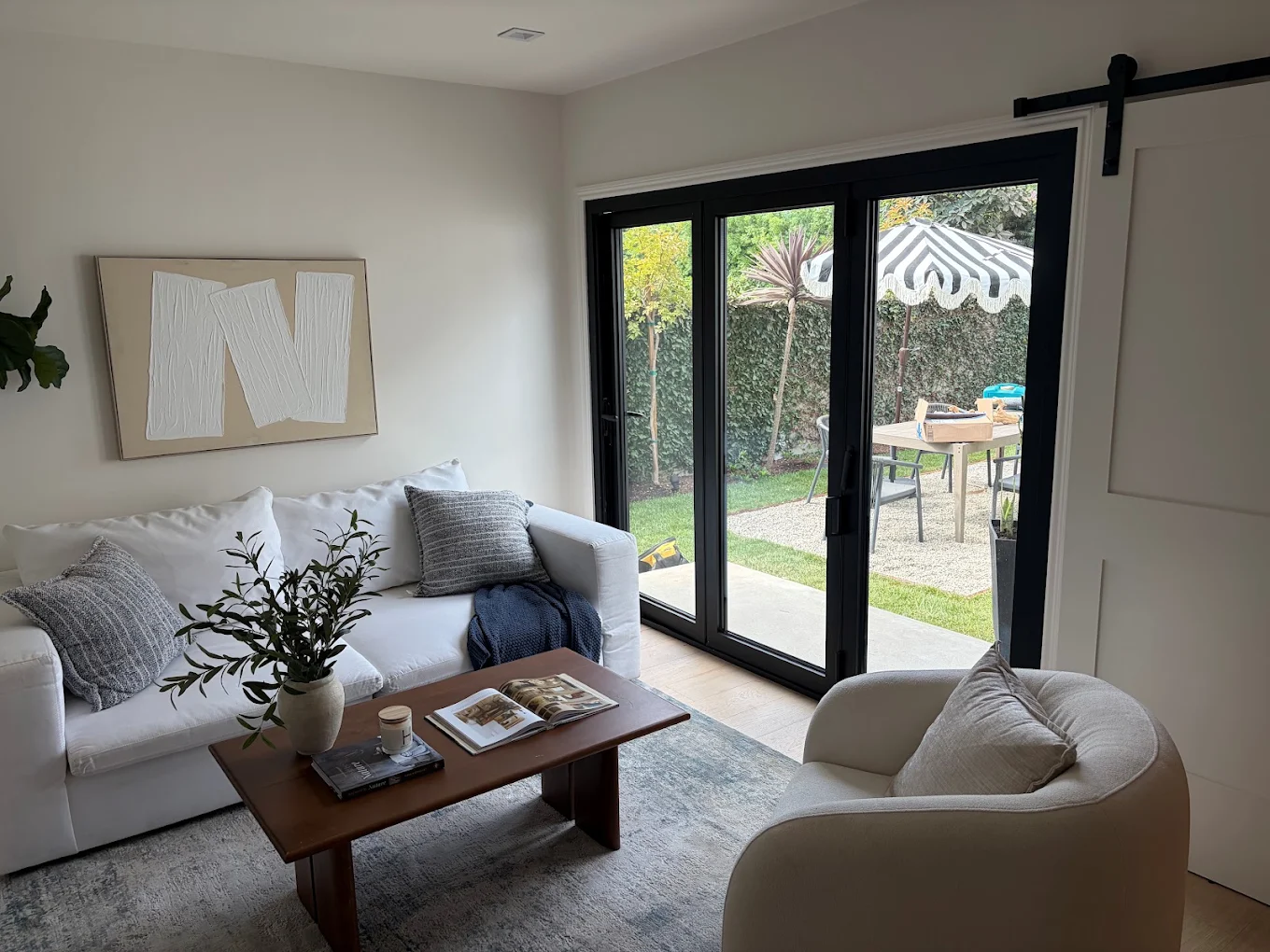
How Home Window Tinting Looks on Seattle Streets
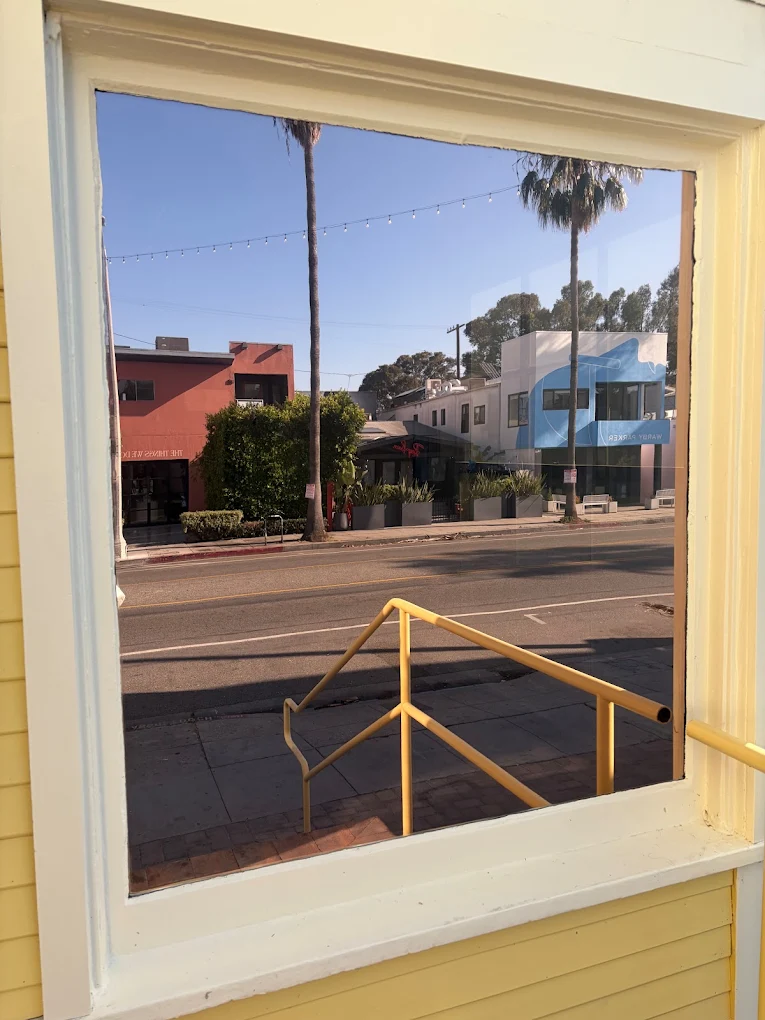
Plenty of people worry their house will look mirrored or dark from the sidewalk. With the films we use on most homes, that does not happen. Spectrally selective film is very hard to spot from outside, especially on older Craftsman windows with divided lites and painted trim.
If you live in a condo, townhome association or a city landmark district, exterior appearance may have rules attached. Associations in Belltown towers or Kirkland waterfront buildings often specify a maximum reflectivity. We can provide film data sheets and a sample for your board to review before you commit.
Home Window Tinting for Beacon Hill, Ballard and Other Older Neighborhoods
Seattle's older neighborhoods are full of homes with original single-pane wood windows, storm windows added later, and a mix of replacement vinyl units. Tinting each type takes slightly different care. Old glass may have scratches and paint specks that need removal. Storm windows sometimes need to come off to reach the primary pane, and we plan for that when quoting.
Beacon Hill houses with views north toward downtown, or Ballard homes on narrow lots with windows facing a neighbor, often need different film on the front and back. Older wood sashes also get checked for loose glazing so the film is going onto glass that is solidly set.
What Happens on a Seattle Home Window Tinting Day
We lay down drop cloths, move what we need to away from the windows, and clean every pane with a scraper and solution so no grit or old adhesive gets trapped. Each piece is trimmed to sit just inside the glass edge, applied wet and pressed flat with a squeegee.
Most homes are finished in one visit. Afterward the film looks slightly cloudy or has small water spots in places, which is normal. In Seattle's cool, damp months, drying can take a few weeks, while summer installs often clear up within days. Leave the film side of the glass alone until it fully dries.
What Home Window Tinting Changes in a Seattle House
Cooler West Rooms on Seattle Summer Evenings
Heat-rejecting tint on west and southwest glass reduces how much late sun turns into room heat. Bedrooms that used to stay warm until midnight in July cool down sooner, and fans or a portable unit have less to fight against.
UV Protection on Every Tinted Window
Nearly all residential window films block about 99 percent of UV, even the clearest ones. That slows fading on wood floors, rugs and upholstery, and it applies to every window in the plan, not just the ones getting heat film.
Home Window Tint That Keeps Winter Daylight
Choosing light films for the rooms that need light means you do not pay for summer comfort with dark winter afternoons. North windows and shaded rooms can be skipped entirely or given clear UV film only.
Less Glare on Screens in Seattle Homes
Low sun in fall and winter crosses straight into living rooms and home offices. Even light tint reduces the harsh contrast on TVs and laptops, so blinds can stay open longer on the days the sun does appear.
Home Window Tinting Questions From Seattle Homeowners
What drives the price of tinting a Seattle house?
Film type matters most, followed by total glass area and access. Tall stairwell windows, skylights and storm windows that must be removed add time. Spectrally selective and security films cost more than basic tint. Photos and rough sizes through the quote form get you a written number.
Should I tint every window in my house?
Usually not. In Seattle, north windows and heavily shaded rooms rarely need heat film, and darkening them makes winter harder. Most homes are better served by treating the west and south glass and any skylights, and leaving the rest clear or adding UV film only.
Will home window tint fog up or peel in Seattle's damp weather?
Properly installed interior film does not peel from humidity. A haze right after installation is normal moisture that dries out over a few weeks. Peeling or bubbling years later usually signals an old, low-quality film rather than the climate.
Can I clean tinted windows the normal way?
Once the film has dried out, go over the inside using a soft towel dampened with mild soapy water, or a glass spray that contains no ammonia. Keep scrapers and scrub sponges off the filmed surface. Exterior glass is untouched, so your window washer can treat it as usual.
Does home window tinting work on vinyl replacement windows?
Yes, as long as the film is compatible with the glass inside the frame. Most vinyl replacements are dual-pane with a factory low-E coating, so we choose films approved for that type of unit to avoid heat stress on the glass.
Window film quote
Start a Seattle Home Window Tinting Estimate
List the rooms that run hot, glary or exposed, note roughly which way they face, and attach a few phone photos in the quote form. We will map out a film plan for the whole house.
Prefer email? info@windowfilmseattle.pro